
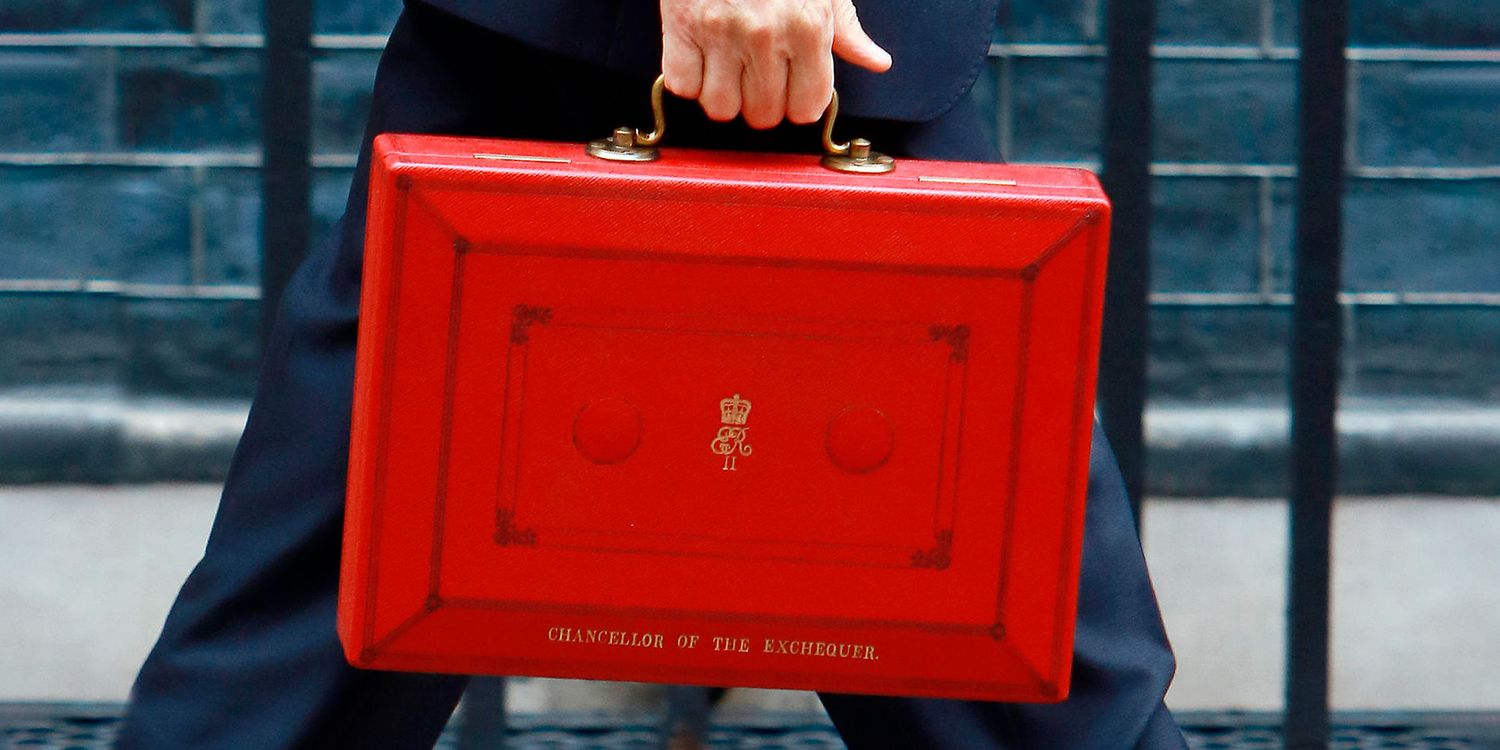
What we anticipate
Priority tax commitments
As a recap, the Government has already set out that they intend to include the following “revenue-raising” tax measures in the Budget, along with further detail on their policy design given each has been consulted on to varying degrees over the summer.
- VAT on private school fees and removing the charitable Business Rates relief for private schools, a measure for which draft legislation and HMRC guidance have already been published
- A continuation of the prior Government’s policy to replace the non-domicile regime with a new residence-based regime from 6 April 2025, albeit with a number of changes expected to the policy design
- Changes to the taxation of carried interest, relevant to the Private Equity industry
- An extension to the Energy Profits Levy
These measures, alongside a commitment to update on policies at the Budget to help close the tax gap, were estimated in Labour’s manifesto to raise in the region of £8.5 billion by 2028/29. The exact amount they will raise will depend on the final policy design and behavioural responses.
Labour’s pledges not to raise taxes
Then there are those areas where we are not expecting changes. Labour’s manifesto pledged not to increase taxes on working people, specifically that they will not raise the basic, higher, or additional rates of income tax, National Insurance (NI) and VAT. More recently it has been clarified that as these pledges only apply to “working people” and not businesses, the NI pledge is limited to employee NI (please see below). For businesses, the central pledge has been not to raise the headline rate of corporation tax.
While not legally binding, these pledges have been regularly repeated, even since the initial announcement of the £22 billion “black hole” in the public finances. It therefore looks unlikely that the Government would backtrack and increase rates in any of these areas.
While we do not anticipate rate rises in these areas, the possibility of the Government raising some additional revenue from these taxes is not completely ruled out. For example, the wording on the income tax pledge refers to rates only, while income tax thresholds (which it should be noted are devolved in Scotland) also play an important role in determining how much revenue is raised from the tax. There is already a plan in place to freeze thresholds until 2028. As incomes rise, fiscal drag will mean more people are paying tax or paying tax at a higher rate which will increase tax revenues. The wording of the manifesto pledge could also provide the Government with flexibility to freeze the thresholds for longer, or potentially even change the thresholds further.
A business tax roadmap
While in opposition and since coming into power, Labour’s central mission has been to grow the economy and there has been strong recognition from the Government that businesses are a key part in delivering that growth. However, the Government has not shied away from the narrative that to “fix the foundations” for growth there are tough fiscal choices to be made, reducing any expectation that there will be room for further business tax incentives to be announced at Budget. Instead, it is anticipated the main business tax offer at this Budget will be a tax roadmap for businesses, which the Government has confirmed will be outlined on 30 October.
Certainty is expected to be the central pillar of the business tax roadmap, with the ambition that it “encourages investment and gives business the confidence to grow”. The initial references to it as a “tax roadmap for business” suggested it might cover the range of taxes which impact businesses. However, Rachel Reeves’ speech at last week’s International Investment Summit referred to it as a corporate tax roadmap indicating it will have a narrower focus.
It is expected to include the manifesto pledges to cap the headline rate of corporation tax at 25% for the duration of Parliament and that full expensing and the annual investment allowance will be maintained. At last week’s Investment Summit Reeves also confirmed that the current rates for research and development tax incentives would be maintained.
Beyond that, there remains less clarity on what else could be included in the roadmap. Whatever the approach, as history – the Brexit referendum and COVID pandemic – has taught us with past roadmaps, there will be a delicate balancing act between providing sufficient detail to give businesses the confidence to invest versus providing sufficient flexibility to respond to external shocks and changing economic conditions.
 Possible announcements
Then there are those measures that Labour have confirmed they intend to take forward, though it remains unclear whether we will get a further update at the Budget.
Business Rates Reform
Next Steps on the Carbon Border Adjustment Mechanism
Increasing Stamp Duty On Purchases of Residential Property by Non-UK Residents by 1%
The unknowns
Lastly, there are the unknowns. While the Government has already identified and announced measures to find £5.5 billion of savings this year and £8.1 billion next year, this only goes some way to filling the £22 billion “black hole”, and more recently it’s understood that Reeves may be looking to fill a much larger funding gap. Whatever the final figure which the Government settles on to “fix the foundations” on the 30th, the Government has been clear that there will be further “difficult decisions” to be taken at the Budget across spending, welfare and tax.
How, and the extent to which, the Government plans to reform UK taxes, or even introduce new ones, to raise additional revenue can only be speculated on. Although with Reeves being quoted in an interview with The Sunday Times, ahead of the Labour party conference, that she’s “not looking at creating some new tax, or a wealth tax”, suggests that reform of existing taxes is more likely.
With the Prime Minister’s comments that “those with the broadest shoulders should bear the heavier burden” and the pledges limiting the options to increase the big revenue-raising taxes, attention is turning to how those taxes for which no such pledges have been made, such as inheritance tax and capital gains tax, could be reformed to increase revenue.
For employers, whilst Labour’s manifesto includes a pledge that they would not increase NI, more recently the Chief Secretary to the Treasury was quoted referring specifically to employee NI when reiterating the original pledge. Speculation has since intensified that the Government may be considering a rise in employer’s NI with Reeves, Starmer and the Business Secretary, Jonathan Reynolds, all implying that as their manifesto pledge only applies to “working people”, this pledge does not extend to employer’s NI.
Along with a simple rise to employer NI rates, it’s also been speculated that the Government may also be considering introducing NI on employer pension contributions. In recent analysis by the Institute for Fiscal Studies they estimate that this has the potential to raise substantial sums. If employer NI was levied on employer pension contributions at the full rate (13.8%) their analysis indicates it could raise £17 billion per annum.
In conclusion, Labour’s first Budget in 14 years has the potential to be pivotal for businesses, employers and individuals.