
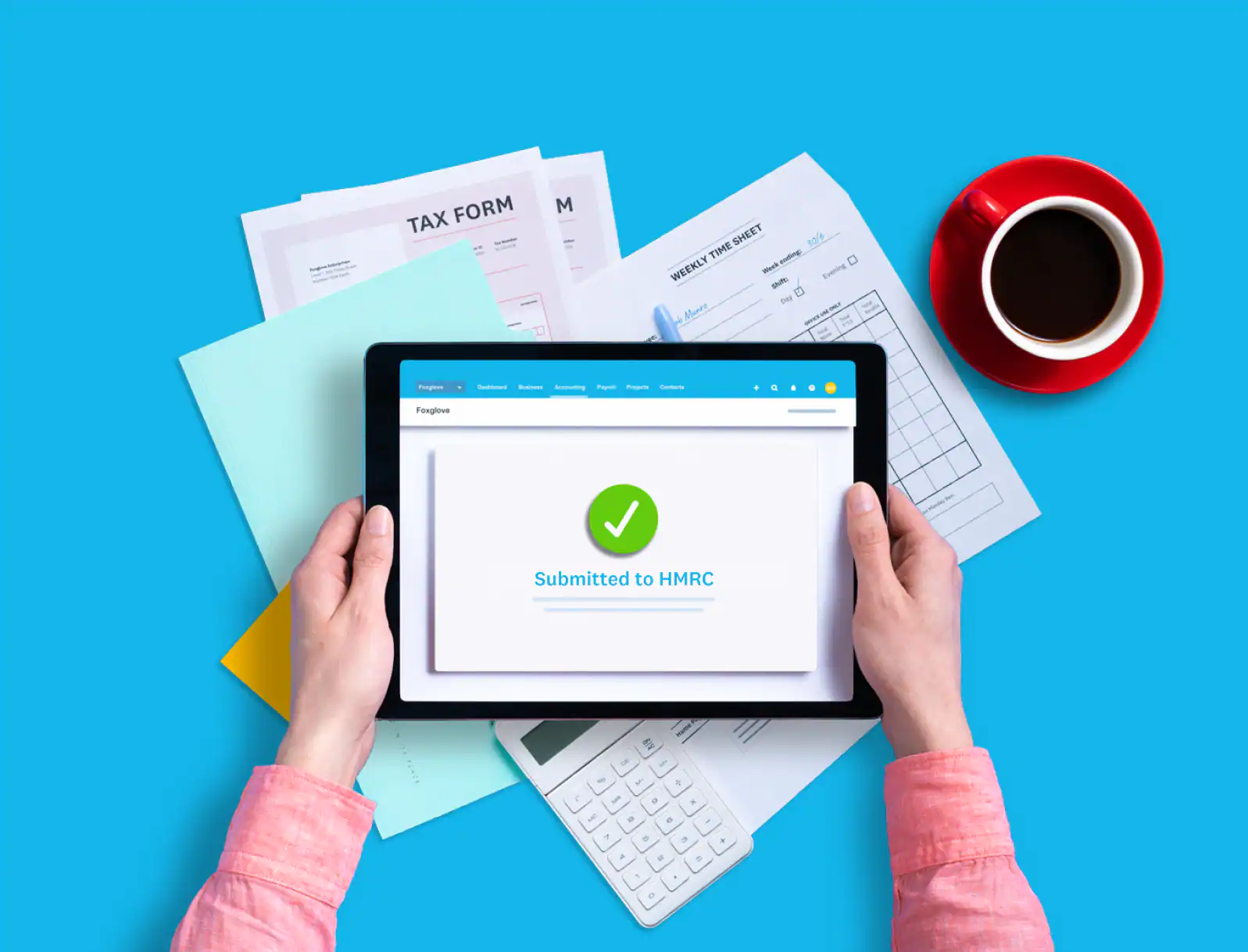
Making Tax Digital (MTD) is a key initiative from HMRC aimed at simplifying tax management for businesses and landlords. Starting in April 2024, eligible taxpayers will need to adopt digital record-keeping and reporting processes. This guide will walk you through what MTD for Income Tax Self Assessment (ITSA) entails and how it will impact your approach to managing your finances.
Digital Record-Keeping Becomes Mandatory
From April 2024, all eligible businesses and landlords will need to maintain digital records of their income and expenses. While many business owners already use software for this purpose, it will soon become a legal requirement. The software you choose must be approved by HMRC and compatible with MTD regulations.
For a list of HMRC-approved software, visit this page.
Quarterly Submissions to HMRC
Instead of the traditional annual submission, you will need to send a summary of your business income and expenses to HMRC every three months. Each submission provides an opportunity to see a year-to-date estimate of your tax liability based on the data you’ve entered.
End of Period Statement: Finalising the Year
At the end of each tax year, you’ll submit an End of Period Statement (EOPS) to finalise your business income and expenses. This step ensures the accuracy of your quarterly submissions and allows you to make adjustments, declare personal income, or claim any applicable tax reliefs.
Replacing the Annual Tax Return
Under MTD for ITSA, the traditional Self Assessment tax return will be replaced by a “Final Declaration.” This declaration confirms the information provided in your EOPS and must be submitted by 31st January following the end of the tax year. For instance, your final declaration for the 2024–25 tax year will be due by 31st January 2026. Any tax owed will also need to be paid by this deadline.
Preparing for MTD for ITSA
Start Planning Now
The deadline to sign up for MTD for ITSA is 6th April 2024, but it’s crucial to start preparing early. Transitioning to digital bookkeeping may require significant changes to your current processes.
If you already use cloud-based accounting software, you’re ahead of the curve. However, if you’re relying on manual spreadsheets or physical records, now is the time to explore your options. At Jaccountancy, we’re here to guide you through the available solutions and help you transition smoothly.
Can Your Accountant Handle This for You?
Yes, your accountant can register you for MTD and manage your submissions, including quarterly updates, EOPS, and the final declaration. However, you must provide them with the necessary information and grant them permission through your Government Gateway account. Even with your accountant’s help, you’re still responsible for maintaining digital records of your income and expenses.
Many cloud-based platforms allow you to invite your accountant to access your records directly, simplifying collaboration.
Understanding Digital Record-Keeping and Submissions
What Software Will You Need?
To comply with MTD, you’ll need HMRC-approved software to track your income and expenses and submit reports digitally. HMRC’s Application Programming Interface (API) enables various software providers to connect their platforms to its system, giving you several options to choose from.
Can You Still Use Excel?
While Excel can still be used, it’s not the most efficient solution. Bridging software will be required to transfer your Excel data to HMRC’s system while maintaining the necessary digital links. At Jaccountancy, we recommend switching to a comprehensive digital solution that streamlines tracking and reporting.
What Records Must You Keep?
Under MTD, you must keep digital records of all incoming payments and expenses related to your self-employment or property business. Many software options allow you to link directly to your bank accounts and credit cards for automatic transaction imports, reducing manual data entry.
If manual input is needed, ensure all records are updated promptly—well before your next quarterly submission.
Key Deadlines for Quarterly Submissions
Once registered for MTD, you’ll need to submit quarterly updates. Each report is due one month after the quarter ends. Here are the deadlines for the tax year:
Default Tax Year Schedule:
| Quarter | Period Covered | Submission Deadline |
|---|---|---|
| One | 6th April–5th July | 5th August |
| Two | 6th July–5th October | 5th November |
| Three | 6th October–5th January | 5th February |
| Four | 6th January–5th April | 5th May |
Alternatively, you can choose a calendar quarter schedule:
Calendar Quarter Schedule:
| Quarter | Period Covered | Submission Deadline |
| One | 1st April–30th June | 5th August |
| Two | 1st July–30th September | 5th November |
| Three | 1st October–31st December | 5th February |
| Four | 1st January–31st March | 5th May |
Your first quarterly report for 2024 will cover 6th April–5th July and must be submitted by 5th August.
We know that MTD for ITSA raises many questions. Stay tuned for our next blog in this series, where we’ll address common concerns and provide further guidance on navigating these changes. If you need support, contact Jaccountancy today—we’re here to help you every step of the way.